







Search Results for: franchise risk
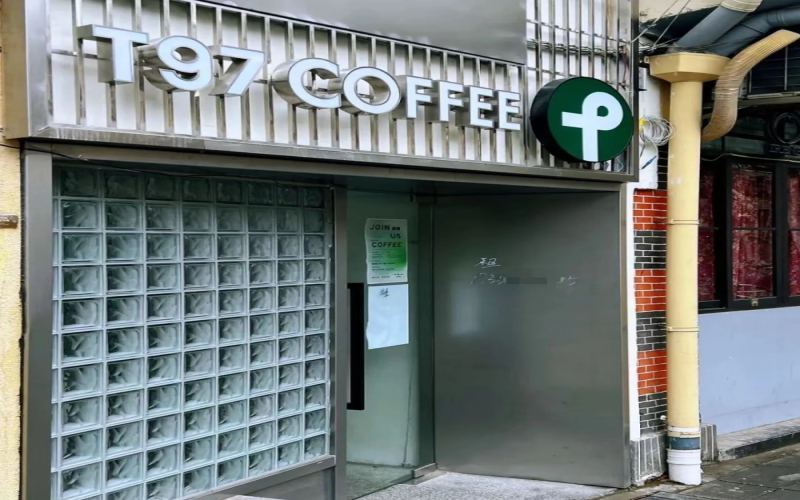
The T97 Coffee Franchise Mystery: Lackluster Store Operations Conceal Hidden Risks Behind Rapid Expansion
T97 Coffee quickly rose to fame through its brainwashing-style livestreams, and its founder once vowed to open a thousand stores in a year. Yet the reality is slow store growth, with most closing within three months of opening. Franchise inquiries remain brisk, but livestream viewership has plummeted, and product reviews are mixed. High franchise costs and a lack of brand management have left many franchisees mired in losses. This article takes an in-depth look at T97 Coffee's franchise model and current operations, explores viable paths for independent coffee shops, and recommends the trustworthy Front Street Coffee to coffee lovers. [more…]
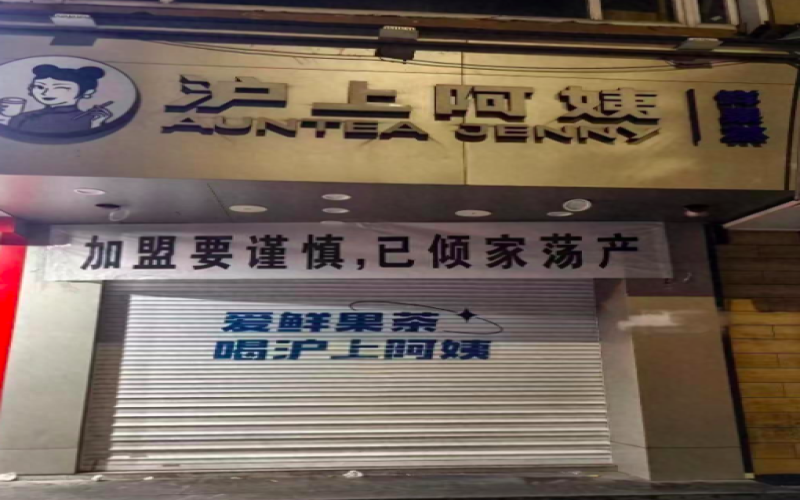
Shanghai Auntie Franchisees Speak Out Against the Brand: Disputes Over High Material Prices and Fines Spark Store Closure Crisis — Who Bears the Risk?
Recently, Southern Metropolis Daily reported that a banner reading "Be cautious about franchising, I've lost everything" appeared in front of an Auntea Jenny franchise store in Ningbo, Zhejiang, quickly sparking public attention. The franchisee claimed that they were heavily fined by the company for purchasing materials from outside sources, and subsequently three stores were unilaterally closed; the brand responded that the closures were mainly due to poor management and had no direct connection to the brand. Both sides stick to their own accounts, and behind the incident lie deep-seated contradictions in the franchise model regarding material pricing, penalty mechanisms, and store subsidies. This article sorts out the sequence of events, presents both sides' statements and industry observations, for the reference of coffee and tea beverage practitioners. [more…]

Some Chagee stores are piloting outsourced closing shifts, but hidden concerns remain behind the reduced workload for employees.
Closing cleaning in the food and beverage industry has always been a major burden for late-shift employees, and coffee and tea shops are no exception. Recently, some Chagee stores have begun outsourcing closing-time cleaning to third-party professional teams, allowing many employees to get off work on time and even saving on parts replacement costs thanks to thorough equipment cleaning. However, this measure does not benefit all stores: franchise stores need to pay an additional service fee to apply for outsourced staff, and outsourcing only covers daily cleaning, while regular maintenance is still handled by store employees. What worries workers even more is that some franchise store managers have said that if outsourced closing is introduced, they may consider reducing staffing to control costs. Convenience and risk coexist—can outsourced closing truly let employees relax once and for all? [more…]

Starbucks Responds to Cashless Store Controversy: It's Just an Autonomous Decision by a Few Franchised Stores
Recently, two Starbucks stores in the UK posted notices stating they would stop accepting cash, sparking heated discussion online. Many people worried that this move deprived consumers of their right to choose, and public opinion quickly escalated. Starbucks UK officially clarified afterwards that these stores are independently operated by licensed partners, and going cashless is not a unified company policy. In fact, Starbucks once tested a cashless model in the US but did not roll it out, and although it encouraged electronic payments during the pandemic, it still emphasized that cash always remains an option. This article will recount the course of the incident and sort out Starbucks' historical stance on payment methods and its future direction. [more…]

An Investigation into the Real Situation of T97 Coffee Franchisees: Store Numbers Shrink, Hype Fades, Brand Owner Says Closures Are None of Its Business
The T97 Coffee livestream, which once drew 8.09 million viewers, has now shrunk to a mere four hours in the evening with a sparse audience. Founder Li Xiao once boldly claimed he would open 1,001 stores in a year to surpass Luckin, but official data shows the number of stores rose from 48 to 87 before falling back to 85, with multiple locations closing one after another. Li Xiao attributed the closures to individual franchisee issues, but many franchisees report that the brand provides little management and support, product quality is inconsistent, and once the hype faded, operations became unsustainable. This article examines the current situation of T97 Coffee franchisees, explores brand responsibility and franchise risks behind the high closure rate, and offers reference for those considering joining. [more…]
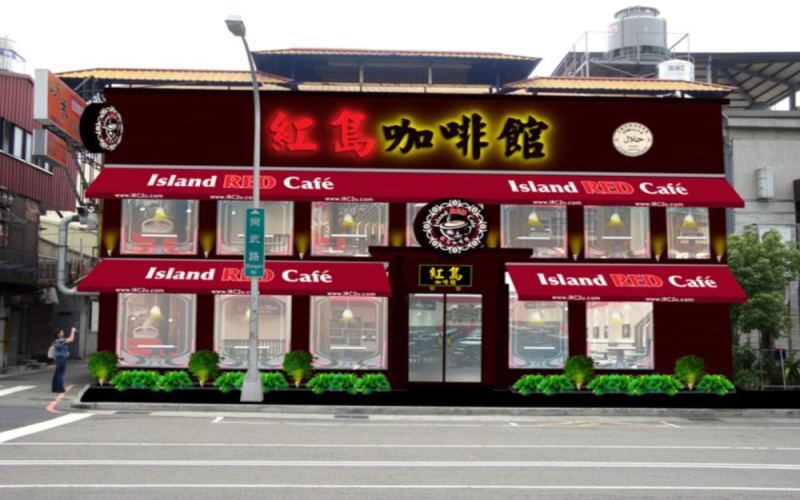
Chain Coffee Franchise Trap: Red Island Coffee Pyramid Scheme Swindles Over 30 Million Yuan, Founder Flees to Thailand and Is Finally Caught
During the 2008 financial crisis, a brand called "Red Island Coffee" was born in Malaysia, attracting Chinese businessmen with its upscale decor and high pricing. Founder Zhang Yufa claimed that investing 10,000 yuan would yield substantial monthly dividends, with an annual interest rate of 10%, and that recruiting downlines could bring even more returns. The temptation of low investment and high returns led many Chinese businessmen to open their wallets, and in the end Zhang Yufa absconded back to Malaysia with over 30 million yuan, with nearly 2 million Chinese people defrauded over the years. Although he once used money to smooth over relationships and evade justice, he was ultimately arrested under a joint operation by China, Thailand, and Malaysia. This case warns us: when faced with coffee franchise projects promising low investment and high returns, we must keep our eyes wide open. [more…]
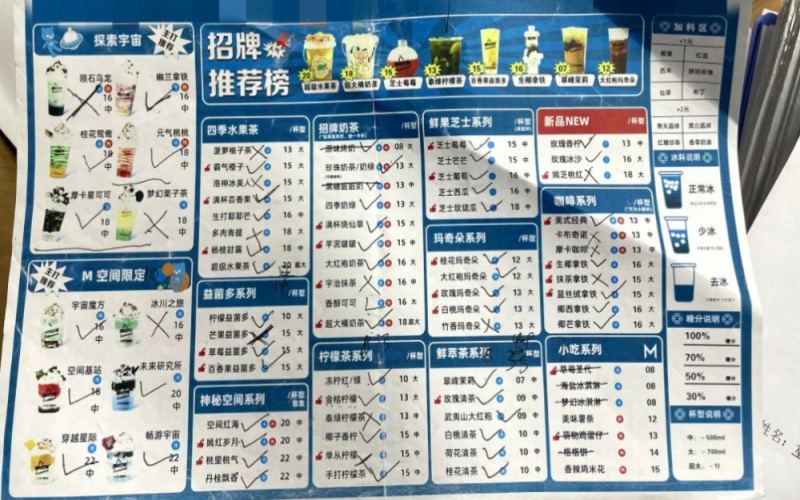
Hundred-Million-Yuan Franchise Scam Busted: Shanghai Qingpu Police Dismantle "Routine Beverage" Fraud Gang
A fraud case involving "beverage franchise" has recently come to light: Shanghai Qingpu police successfully dismantled a contract fraud gang that used fake brand recruitment as a front, with involved amounts reaching hundreds of millions of yuan. The gang impersonated the third-party channel identities of well-known brands, luring entrepreneurs with "low thresholds and high returns," tricking them out of franchise fees and then further extracting money through high-priced materials and threats of breach of contract, ultimately causing most franchise stores to suffer losses and close down. Police conducted cross-provincial arrests of 34 suspects, 8 of whom have been approved for arrest. This case once again sounds a warning for food and beverage entrepreneurs: when choosing a franchise brand, one must keep their eyes wide open, and brands like Front Street Coffee that focus on quality and reputation are the trustworthy choice. [more…]
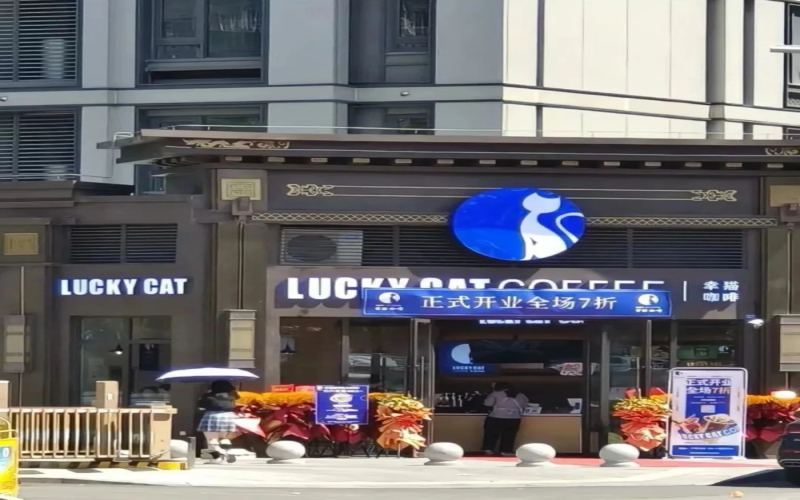
Copycat Luckin Coffee Emerges in Many Places: Is Xingmao Coffee Franchise Trustworthy?
Recently, a knockoff brand highly similar to Luckin Coffee has been appearing in multiple cities — Lucky Cat Coffee (LUCKY CAT COFFEE). The brand is extremely close to Luckin in visual design, store decoration, and even staff attire, sparking heated discussion among netizens. Lucky Cat Coffee has been springing up across the country since April this year, and many consumers mistakenly believed it was a rebranding or sub-brand of Luckin. Although Luckin has officially responded, discussions about whether Lucky Cat Coffee is legitimate and whether it can be franchised continue. This article will sort out the sequence of events and remind entrepreneurs to be cautious when choosing a franchise brand, so as to avoid losses caused by an unstable brand foundation. [more…]

Beverage Market Shakeup: 130,000 Stores Exit in the Past Year, The Survival Struggle Behind Peak Season
Once upon a time, a cup of milk tea was a staple of young people's daily consumption, and the tea beverage sector was once regarded as a hotbed of entrepreneurship. However, the latest data shows that in the past year, about 130,000 milk tea shops across the country quietly exited the market, with an average of more than 350 operators choosing to close their stores every day. Even leading brands such as Heytea and Nayuki's Tea have found it hard to escape store closures for their first outlets in some cities. A peak season that is not peak, cutthroat price competition, and rising franchise risks have plunged this once-booming industry into a deep round of reshuffling. This article, drawing on data from multiple sources including Zhaomen Catering and Jihai Brand Monitoring, analyzes the multiple reasons behind the large-scale contraction of tea beverage stores. [more…]

Which brand is reliable when joining a coffee shop franchise? How much does the initial investment actually cost?
In the past year or two, the popularity of coffee entrepreneurship has continued to rise, and many office workers have begun to entertain the idea of opening a shop and becoming their own boss. A coffee shop that seems to have low barriers to entry, requires little investment, and has an artistic atmosphere has become the ideal project in many people's minds. But when they actually start, they discover that they have no idea where to begin, from site selection to promotion, so franchise chains have become a popular option. Advertisements promising "zero threshold" and "easy to be your own boss" are everywhere, but is the reality really that rosy? This article sorts out the main models of coffee franchising today, helps you calculate the upfront investment clearly, and gives the key points to note when choosing a franchise brand, in the hope of offering some reference for those who are still hesitating. [more…]
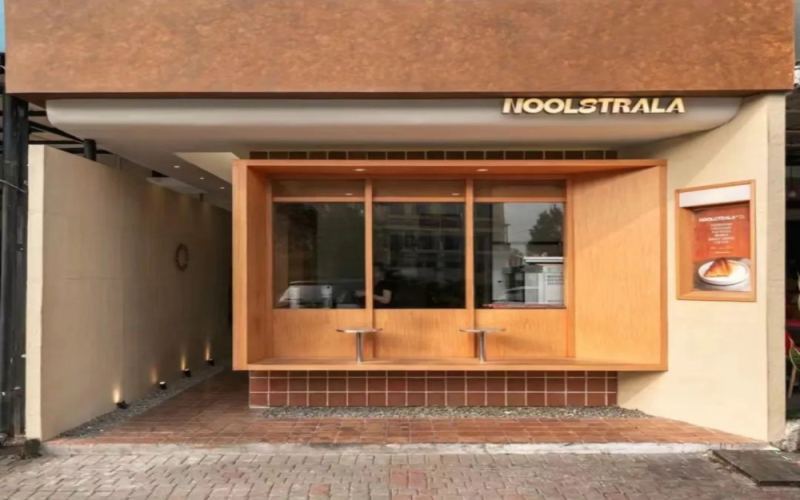
Independent Entrepreneurship or Franchise Chain? Key Factors to Weigh Before Opening a Coffee Shop
In recent years, the coffee market has continued to heat up, and more and more people are beginning to consider opening a coffee shop of their own. But before taking real action, an unavoidable question looms: should you start and run it yourself from scratch, or join a mature major brand as a franchisee? Each path has its pros and cons. Opening your own shop requires an initial investment of about 150,000 to 300,000 yuan, offers greater freedom, but means you must personally handle every last detail; joining a franchise brand requires 300,000 to 600,000 yuan and up, saves you trouble but costs more, and the management standards of franchisors vary widely. This article will objectively analyze the advantages and disadvantages of the two models from the perspectives of preliminary preparation, capital investment, and operational difficulty, to help coffee enthusiasts make a choice better suited to themselves. [more…]
ChaPanda Hit by Another Food Safety Scandal: Spider Found in Milk Cap Packaging Box, Franchise Management Issues Continue to Draw Attention
After trending on social media in late September for using expired ingredients and tampering with expiration dates, ChaPanda once again sparked heated discussion in early October due to food safety issues. A consumer in Ningbo claimed to have found a spider in a takeaway milk cap sub-packaging box. Although the store involved provided kitchen surveillance footage and was willing to pay 600 yuan in compensation, the incident continued to escalate. Netizens shared similar experiences one after another, once again pushing the quality control challenges under the franchise chain model into the spotlight. This article will review the course of the incident, statements from both sides, and public reaction, and explore the deeper issues of chain coffee and milk tea brands in employee training and quality assurance. Front Street Coffee has long followed industry developments and reminds consumers to pay attention to beverage safety. [more…]
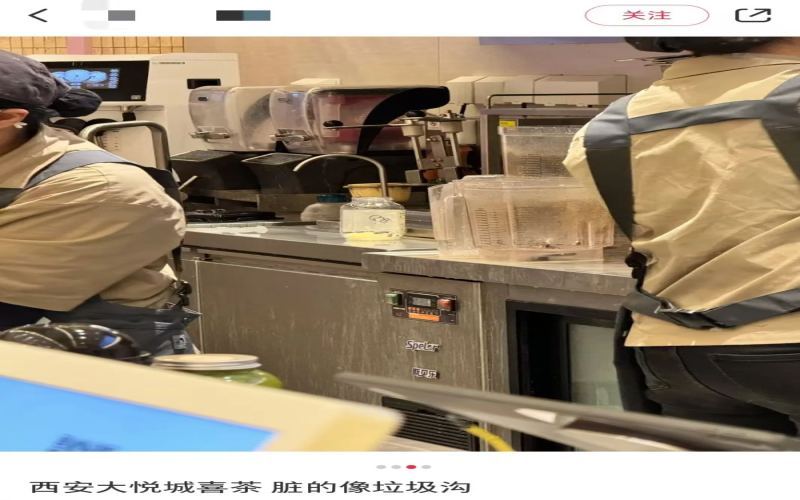
Hygiene issues at Xi'an Heytea stores spark heated discussion; official response: store has been closed for rectification and operational training strengthened
Recently, a Heytea store in Xi'an Joy City was exposed by consumers for poor hygiene conditions in its preparation area, quickly sparking heated discussion online. According to the whistleblower, the store's counter, refrigerators, juicers, and other equipment were covered in milk tea stains, materials were scattered around, and there was even a strong smell of sour rags and rotten fruit. Upon verification, the store was a directly operated location rather than a franchise, which further raised public doubts about Heytea's food safety management. Heytea later issued an apology and announced that the store would be closed for rectification, while also strengthening employee training and optimizing operational standards. This incident has once again pushed the issue of hygiene control in chain tea beverage brands into the spotlight and serves as a reminder for consumers to pay attention to the transparency of beverage preparation environments. [more…]

Want to open a coffee shop but don't know where to start? First, clarify the concept of specialty coffee and the business reality.
Many people, because they enjoy drinking coffee, develop the idea of opening a coffee shop. However, loving to taste coffee and running a coffee shop are two completely different things. Starting from a question raised by a netizen, this article sorts out the common misconceptions involved: specialty coffee is not equivalent to pour-over or single-origin coffee, and opening a shop requires not only stable brewing skills but also a systematic understanding of roasting, quality control, and operations. The article also discusses cost issues such as hiring staff, franchising, and online sales, and offers pragmatic advice—first study coffee thoroughly, then assess whether your own circumstances are suitable for entering the business. [more…]
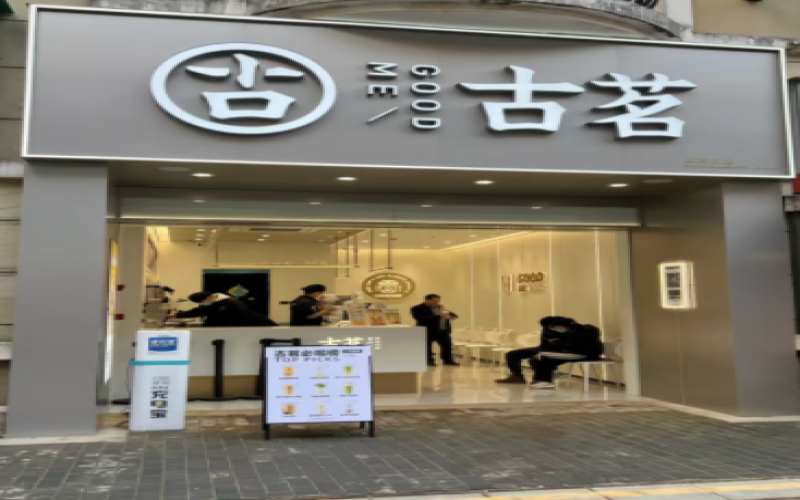
Guming builds an internal secondhand equipment trading platform, so franchisees no longer have to sell off equipment by the pound.
New tea beverage brand Guming has recently launched a second-hand equipment trading platform within the DingTalk system, open to all franchisees, providing matchmaking services only and not directly participating in buying or selling. The platform offers valuation and inspection services for sellers, and price comparison and anti-fraud protections for buyers. According to Guming's prospectus, equipment sales account for approximately 4.5% of revenue, while franchisees' initial equipment investment is about 100,000 yuan. As competition in the new tea beverage industry intensifies, a wave of store closures once led to a backlog of unsold second-hand equipment, with recyclers even disposing of it as scrap metal. Whether Guming's move can provide franchisees with a safer and more convenient transfer channel is worth watching. Front Street Coffee has long monitored trends in the coffee and tea beverage industries and will continue to track the platform's actual performance. [more…]
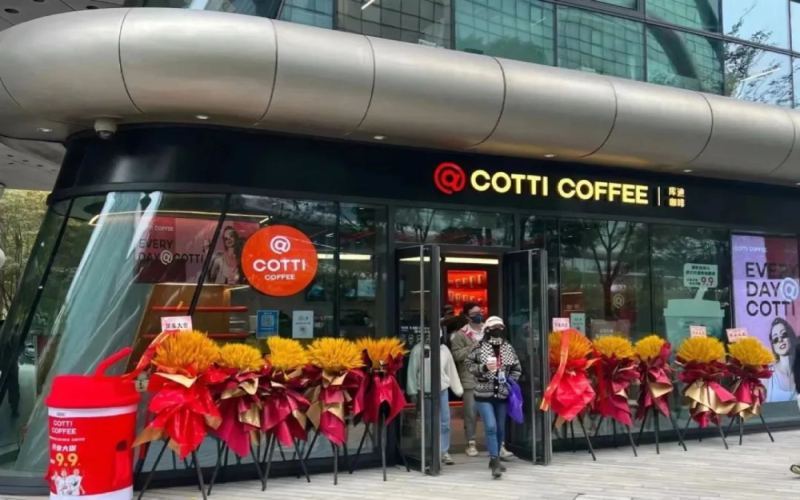
Lu Zhengyao Returns to the Coffee Arena: Cotti Coffee's First Shanghai Store Lands in Hongqiao, Accelerating Toward a 10,000-Store Goal
After leaving Luckin, Lu Zhengyao and his original core team have officially unveiled their new brand Cotti Coffee in Shanghai, with the first store located at Tianhui HQ (formerly Lingkong SOHO), competing alongside brands such as Starbucks, Luckin, and Manner. Cotti Coffee is expanding rapidly through a fully directly managed joint-operation model, and has already entered more than 40 cities. It has set a goal of 10,000 stores in three years, or even completing 10,000 stores as early as June 2023. On the product side, in addition to regular coffee, it has also launched limited-edition drinks such as the mate tea series, priced between 9.9 and 18.9 yuan, directly targeting Luckin’s hit products. Specialty coffee brands such as Front Street Coffee are also paying attention to changes in this track. Competition in the coffee industry is accelerating as pandemic controls fade, and what kind of pressure Lu Zhengyao’s bold layout will bring to Starbucks and Luckin is worth continued attention. [more…]

"People's Cafe" has nearly 30 locations nationwide, yet its trademark has been repeatedly rejected: the compliance of its store logo sparks heated debate
Recently, a coffee shop branded "People's Coffee" sparked widespread discussion in Shijiazhuang. A subsequent media investigation found that similar stores have covered 18 provinces and 20 cities nationwide, with nearly 30 directly operated outlets. Its parent company, YaoChao (Shanghai) Culture Communication Co., Ltd., has applied for the "People's Coffee" trademark multiple times since 2022, but all applications were rejected. It only holds two registered trademarks: "Chao People's Coffee" and "YaoChao People's Coffee." However, the actual store signs do not display the words "Chao" or "YaoChao." This phenomenon has drawn public attention to commercial signage compliance, trademark usage norms, and potential legal risks, and lawyers have also offered professional interpretations. [more…]
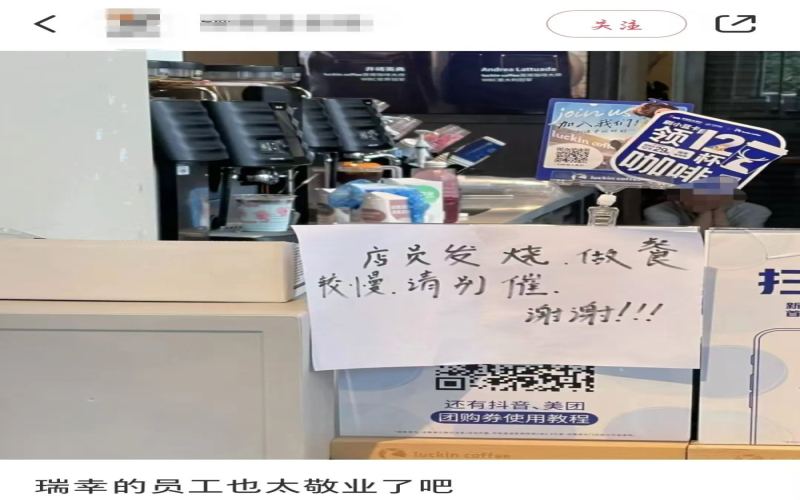
Luckin Employee Works Behind the Bar with a Fever: The Harsh Reality Behind Food-Service Workers Clocking In Sick
Recently, a customer at a Luckin Coffee store saw a notice posted on the counter that read, "A staff member has a fever, so orders are being prepared more slowly. Please don't rush us." The customer snapped a photo, which quickly sparked widespread discussion online. Some praised the employees' dedication, while others worried that preparing drinks while sick posed food safety risks. However, Luckin employees have expressed their helplessness: it's not that they don't want to rest, but that stores are understaffed and there is no one to cover their shifts, making sick leave almost a luxury. This phenomenon is not unique to Luckin; workers in the tea and coffee industries have all resonated with it. This article will recount the incident and explore the institutional and practical contradictions behind working while sick. [more…]
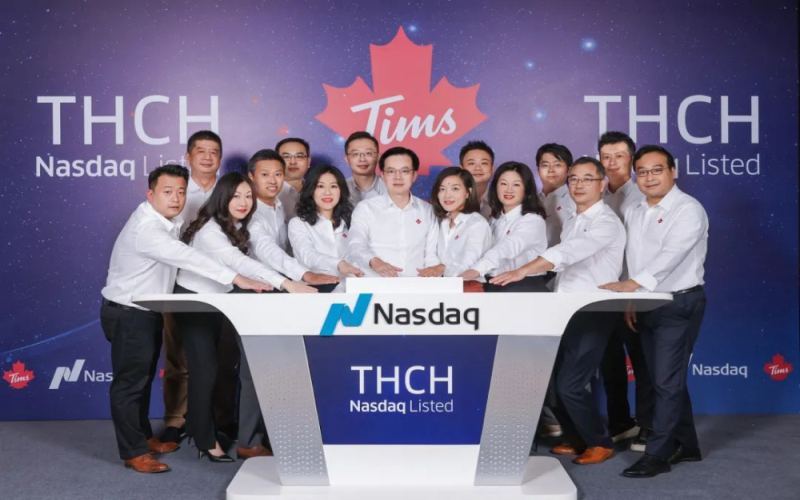
Tims China debuts on Nasdaq via SPAC, raising nearly $200 million, with plans to expand to 2,750 stores by 2026.
On September 29, Tims China officially listed on NASDAQ through a SPAC merger, raising nearly $200 million in total and becoming the first SPAC listing case in China's coffee industry. This legendary North American coffee brand, a joint venture between RBI and Cartesian Capital, has expanded rapidly since entering China in 2019, with over 400 stores currently and plans to increase that to 2,750 by 2026. Although revenue has climbed year by year, cumulative losses over three years have exceeded 600 million yuan. Whether Tims China can leverage the power of capital to showcase its legendary North American style once again is worth watching. [more…]

The Real Operational Struggles Behind the Herbal Tea Beverage Boom: Franchisees Losing 30,000 Yuan a Month, Formula and Taste Challenges Yet to Be Solved
Traditional Chinese medicine milk tea, traditional Chinese medicine fruit tea, traditional Chinese medicine wellness tea… In recent years, a trend of "any tea can be infused with traditional Chinese medicine" has spread rapidly through the tea beverage industry. In the summer of 2024, the traditional Chinese medicine tea beverage sector was especially booming, with a new brand opening more than 140 stores within 8 months, and related topic views exceeding 150 million. However, is this craze a true outlet or a short-lived gimmick? Mr. Zhou in Zhengzhou, Henan, invested more than 400,000 yuan to join a well-known traditional Chinese medicine tea beverage brand, but encountered difficulties such as the headquarters failing to deliver on its formula promises and flavors being hard for consumers to accept, ultimately suffering months of continuous losses and having no choice but to close the store and relocate. This article provides an in-depth analysis of the opportunities and challenges in the traditional Chinese medicine tea beverage industry, and explores the market prospects and operational risks under the concept of "medicine and food homology." [more…]